Towards Cities That Resemble Us:
How Can We Design More Human-Centered Communities?
Architecture today is no longer just about form; it has become an expression of people, place, and memory
Putting People at the
Heart of Urban Planning
When we think about urban planning, images of towering buildings and complex infrastructure usually come to mind. But urban planning goes far beyond that—it also includes social, cultural, and environmental dimensions that deeply affect quality of life.
According to UN reports, over 56% of the world’s population currently lives in urban areas—a figure expected to rise to
% 68
by the year 2050
This shift brings both challenges and opportunities, especially for fast-growing countries like Saudi Arabia.
Take NEOM, for example—not just a futuristic development, but a complete vision that puts people first. It leverages smart technologies, environmental sustainability, and urban design to enhance social interaction and human well-being.
Redesigning Cities for
Human Health
Over the last few decades, cities around the world have been dominated by cars, creating a host of environmental, health, and social issues. But many cities are now shifting back to a people-first mindset—promoting walkability and physical activity through sustainable urban design
Cities that centre people in their planning—like Copenhagen or Lusail—report lower rates of pollution and obesity, along with stronger community ties and better quality of life.
In Riyadh, projects like the Sports Boulevard mark a major shift in this direction. Spanning over 130 kilometres, it connects neighbourhoods with green paths, while the Green Riyadh initiative is helping to build a healthier, more walkable city
The combination of greenery, walking paths, and reduced car dependency isn’t just about aesthetics—it’s a direct investment in public health and social cohesion.
If there were a walking and
cycling path next to your
home, how would you use it?
Public Transit: A Key to a Sustainable
The World Bank reports that cities with efficient public transport systems see up to a
%45
drop in private car use—reducing traffic pollution and improving economic productivity.
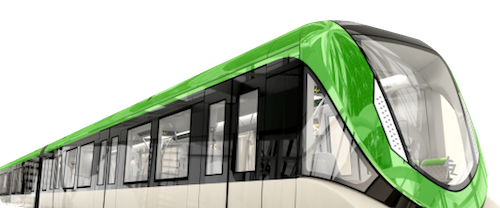
For example: the Riyadh Metro is one of the largest public transport projects in the region, while Dubai Metro has become a global model for success, serving over 200 million passengers annually.
Public Spaces & Art: The Cultural Soul of Cities
حديقة الملك سلمان في الرياض
Studies show that public spaces increase happiness levels by as much as 20%. These spaces become hubs for social connection and cultural expression. King Salman Park, one of the largest urban parks in the world, that offers a space for both community interaction and cultural events.
Globally, iconic places like Times Square in New York and Burj Park in Dubai show how integrating public spaces into urban design can define a city’s identity.
Spans more than 16 square kilometers
The Saudi Home:
Between Needs and Identity
What makes a house ideal?
A study by King Fahd University of Petroleum and Minerals found that %74 of Saudis prefer residential communities that blend green spaces, integrated services, and smart technologies. But this isn’t just about convenience—it reflects a deeper aspiration for a balanced life that combines comfort, progress, and a strong sense of belonging.
Tilal Homes in Wajhat Al Dammam
What makes the ideal Saudi
home for you?
Architecture That Reflects
People and Place
The Jeddah Central project is a great example of this shift—offering a modern urban model inspired by successful global cities like Singapore, while respecting local culture and creating a more sustainable, human-focused environment.
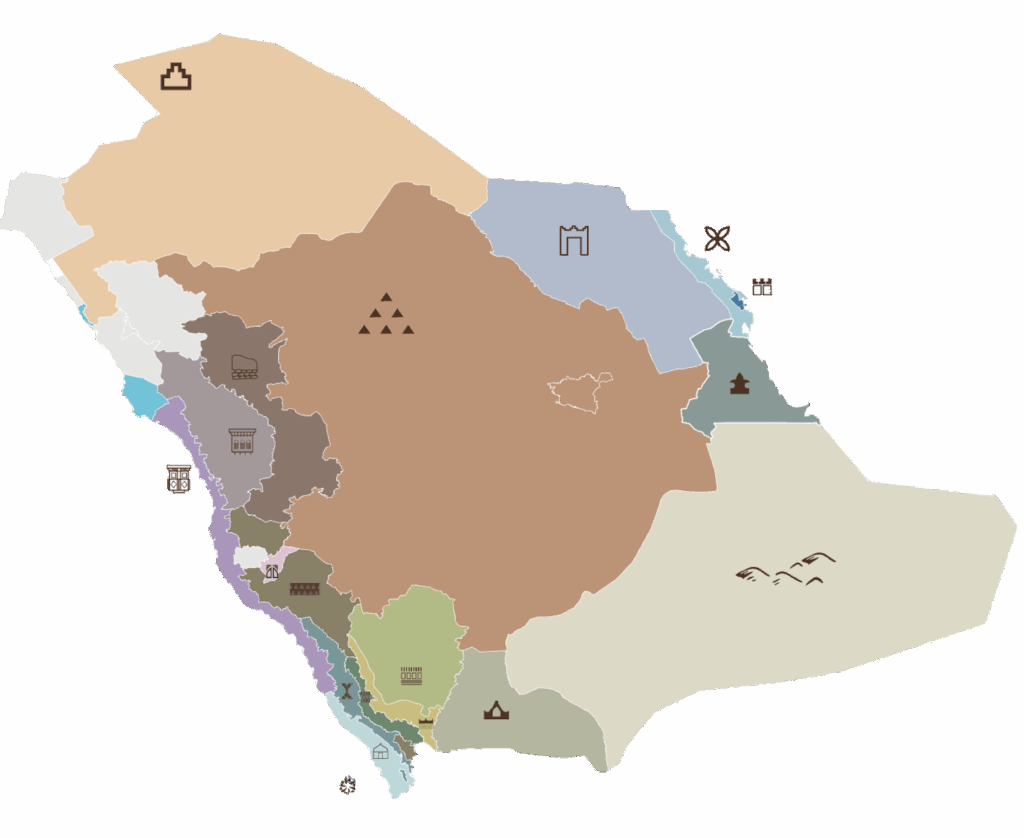
But homes need identity too. That’s why the Saudi Architecture Map initiative, launched in March 2025 under the patronage of the Crown Prince, aims to redefine local architecture within the framework of Vision 2030. The initiative identifies 19 architectural styles that reflect Saudi Arabia’s geographic and cultural diversity—strengthening a sense of belonging and showcasing the country’s uniqueness on the global stage.
In Al-Ahsa
The homes shaped like oases, where the shade of palm trees dances across mud-brick walls carrying the memory of the land.
In Abha
The colourful patterns of Al-Qatt Al-Asiri.
In Jeddah
The vibrant, market-infused Hejazi style.
In Riyadh
You’ll see the sturdy and simple charm of Najdi architecture.
Saudi architecture, then, is not a single blueprint—it’s a cultural language rooted in place, shaped by people, and enriched by both functional needs and spiritual depth. Every Saudi home is more than just a building—it’s a story.
Toward More Human Cities
Urban planning should revolve around people—striking a balance between development, social cohesion, and environmental sustainability. We can achieve this by increasing green spaces, investing in public transport, and promoting designs that foster human interaction. The world’s most successful cities aren’t just technologically advanced—they are the ones that create meaningful, integrated spaces where people truly thrive.
If you could change one thing
in your city, what would it be?
We use cookies to ensure that we give you the best experience on our website. If you continue to use this site we will assume that you are happy with it.